Companies / OpenAI
OpenAI in motion.
Follow the public record of product bets and turning points at OpenAI.
Company casefiles
6 decisions documented.

Plugins, GPTs, then plugins again
OpenAI's first ChatGPT plugin beta was retired in 2024 in favor of custom GPTs. In 2026 the company reintroduced "plugins" as a new format and scheduled the retirement of custom GPTs themselves.
The app store that never paid out
OpenAI launched the GPT Store in January 2024 as a marketplace where anyone could publish a custom ChatGPT and eventually earn money from it. Broad builder payouts never launched. By 2026, OpenAI had moved to apps and plugins and scheduled custom GPTs for retirement.
The browser that wanted to do the driving
OpenAI launched ChatGPT Atlas in October 2025 to reinvent the web browser around autonomous agent workflows and memory. Less than ten months later, facing intense friction over browser switching and default habits, it shut the browser down and moved the capabilities into its desktop app and extensions.
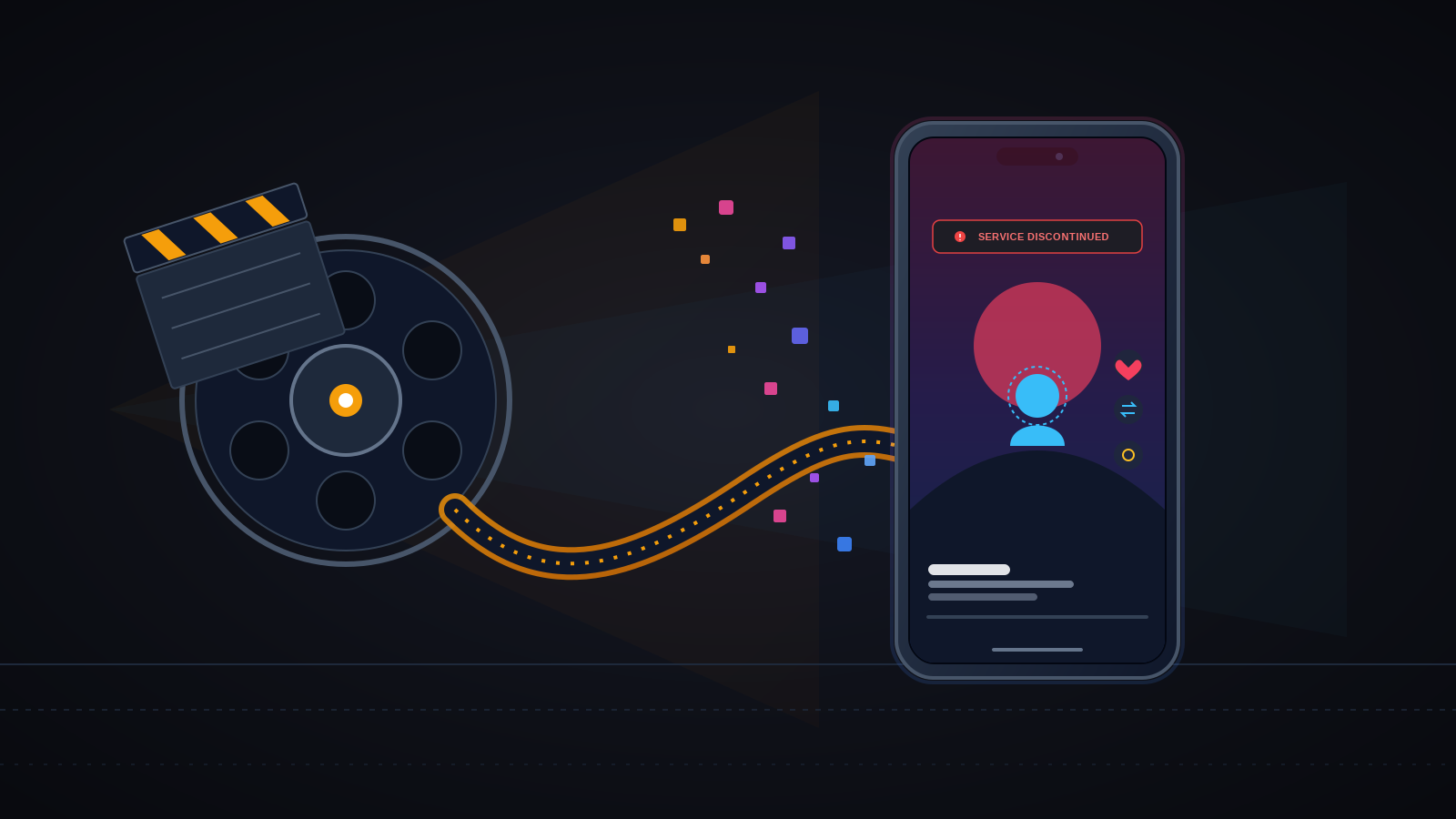
The Hollywood simulator that tried to be TikTok
OpenAI previewed Sora as a physics-defying world simulator that froze Hollywood studio expansions. Two years later, after pivoting into a standalone iOS social feed with Cameos and burning millions per day in compute, OpenAI shut down both the consumer app and the API.
The image studio that became a chat feature
DALL·E began as a separate product with its own waitlist, credits, editor and API. OpenAI then moved image generation into ChatGPT, made it native to GPT-4o and retired every product that carried the DALL·E name by August 2026.
The voice that sounded like a movie
OpenAI staged GPT-4o as the arrival of a conversational assistant from the movies. Within a week, its best-known voice was paused after Scarlett Johansson objected, and the new voice mode reached users months later than promised.